A large, multi-specialty healthcare system operating an Accountable Care Organization (ACO) faced persistent gaps in risk adjustment performance.


Jim Corbett, Shivlalpur Pandey, Ramnagar, Uttarakhand, 244715
By Anmol - Oct 10, 2026 | 7 Min Read
Ayurveda + Physiotherapy: Why Modern Wellness Programs Are Combining Both for Mobility and Recovery

In this article
What Does Physiotherapy Contribute?
Physiotherapy brings a very practical side to a wellness program. It looks at how you move, where your body feels restricted, and what may be affecting your strength, posture or mobility in day-to-day life. Ayurveda, physiotherapy, yoga, food and rest all look at the person from a different angle, and that can be useful when the goal is not just to relax but to feel and move better.
Ayurveda and physiotherapy are a good example. They come from very different traditions and they should not be treated as interchangeable. What makes the combination interesting is precisely that difference: one may focus more on movement and function, while the other contributes traditional therapies, routine and a broader lifestyle perspective.
Physiotherapy looks closely at how the body is functioning. A physiotherapist may assess mobility, strength, posture, flexibility and everyday movement before deciding what kind of work is appropriate. In a residential setting, that gives the guest a clear physical focus rather than leaving movement as an afterthought.
At Tiaraa Wellness, guests can explore physiotherapy and other wellness therapies in the same setting, which makes it easier to build one coherent routine instead of moving between separate facilities and disconnected appointments.
What Does Ayurveda Add?
Ayurveda comes from a different philosophy altogether. Depending on the individual, the experience may include traditional therapies, food, rest and changes to the pace or structure of the day. It tends to look beyond a single symptom and consider how daily habits fit into the broader picture.
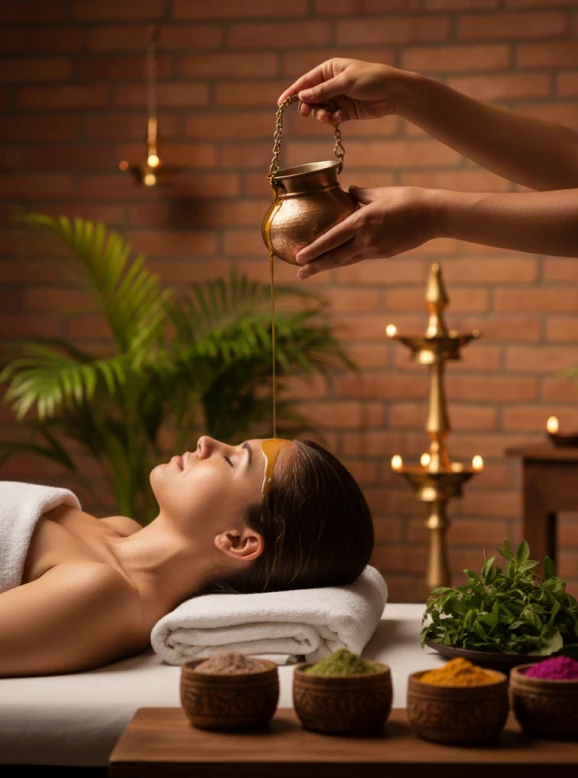
Therapies such as Abhyanga are familiar to many guests, but Ayurveda should not be presented as a replacement for physiotherapy or medical care. Its role within a well-designed wellness stay is different: it can add another layer to the guest's routine when the program has been planned responsibly.

Why Combine Ayurveda and Physiotherapy?
The benefit is not that one discipline does everything. It is that each can address a different part of the experience. A guest working on mobility, for example, may have physiotherapy sessions while also taking part in suitable yoga, selected Ayurveda therapies and enough recovery time to avoid feeling overworked.
Physiotherapy can stay centred on function and movement, while Ayurveda contributes to the wider rhythm of the stay. Put together carefully, the result can feel much more connected than simply booking a massage one day and a physio appointment the next with no link between them.
That only works when someone is coordinating the plan. A wellness assessment and consultation should come first, because more treatments do not automatically make a better program. Sometimes the right decision is to do less, but do it with a clear purpose.
The Role of Yoga and Movement
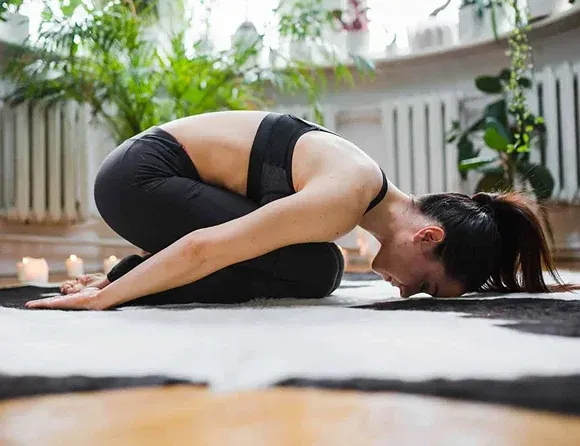
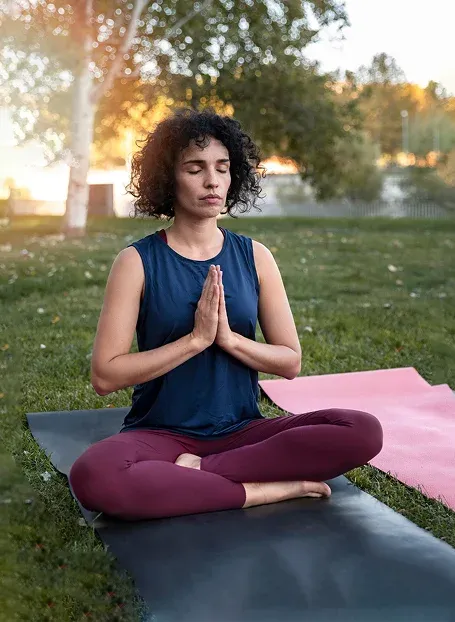
Yoga can sit naturally between the two. A well-chosen session may help with body awareness, breathing, gentle movement and relaxation without turning the day into another strenuous workout.
The practice still needs to suit the person. Someone coming for mobility or physical recovery may need a very different class from a guest who simply wants to unwind. The program works best when yoga, physiotherapy and Ayurveda are all pointing in the same direction instead of competing for space in the schedule.
Why the Residential Environment Matters
One of the biggest advantages of a residential stay is fairly simple: there is time. You can attend a session without rushing back to traffic, eat at regular hours, sleep properly and give the body a chance to recover between activities. That consistency is difficult to recreate in the middle of a normal workweek.
Tiaraa's personalised wellness packages bring these different disciplines into one stay, while the setting in Jim Corbett helps create some useful distance from the routines people are trying to change.
Who Might Be Interested?
This type of program may appeal to people who want to move more comfortably, pay attention to posture, address everyday stiffness or simply spend a few days taking their physical wellbeing seriously. It can also suit guests who are curious about combining a traditional Indian wellness approach with contemporary movement support.
The plan still has to be appropriate for the individual. Ongoing, severe or unexplained symptoms need proper medical assessment, and a wellness stay should never be used in place of diagnosis or necessary treatment.
The real value is not having Ayurveda and physiotherapy under one roof; it is making sure they are used thoughtfully around the same person. If you want to understand which combination may suit your goals, plan your personalised wellness stay with Tiaraa.

Oct 10, 2026
3, 5, 7 or 14 Nights? How to Choose the Right Wellness Program for You
Ancient wisdom for modern wellbeing. Thoughtful insights for balanced daily living.
Oct 10, 2026
Back Pain, Joint Stiffness & Mobility: Can a Wellness Stay with Physiotherapy He...
Gentle mindful movement for vitality. Support balance and flexibility naturally.

Oct 10, 2026
Planning a Panchakarma Program? What to Expect Before, During and After Your Sta...
Wholesome daily nourishment for optimal health. Build wellness from within naturally.
Oct 10, 2026
3, 5, 7 or 14 Nights? How to Choose the Right Wellness Program for You
Ancient wisdom for modern wellbeing. Thoughtful insights for balanced daily living.